Resort market recovers but remains below pre-pandemic levels
Resort market recovers but remains below pre-pandemic levels
At the 14th Meet The Experts Conference, themed “Regenerating Market Energy”, held on 1/11, experts pointed out the state of the resort real estate market in Southeast Asia in general and Vietnam in particular.
Accordingly, hotel business in Southeast Asia is on a recovery path as countries have fully reopened to international tourism, including the restoration of flights to China and the return of increased airline frequencies.

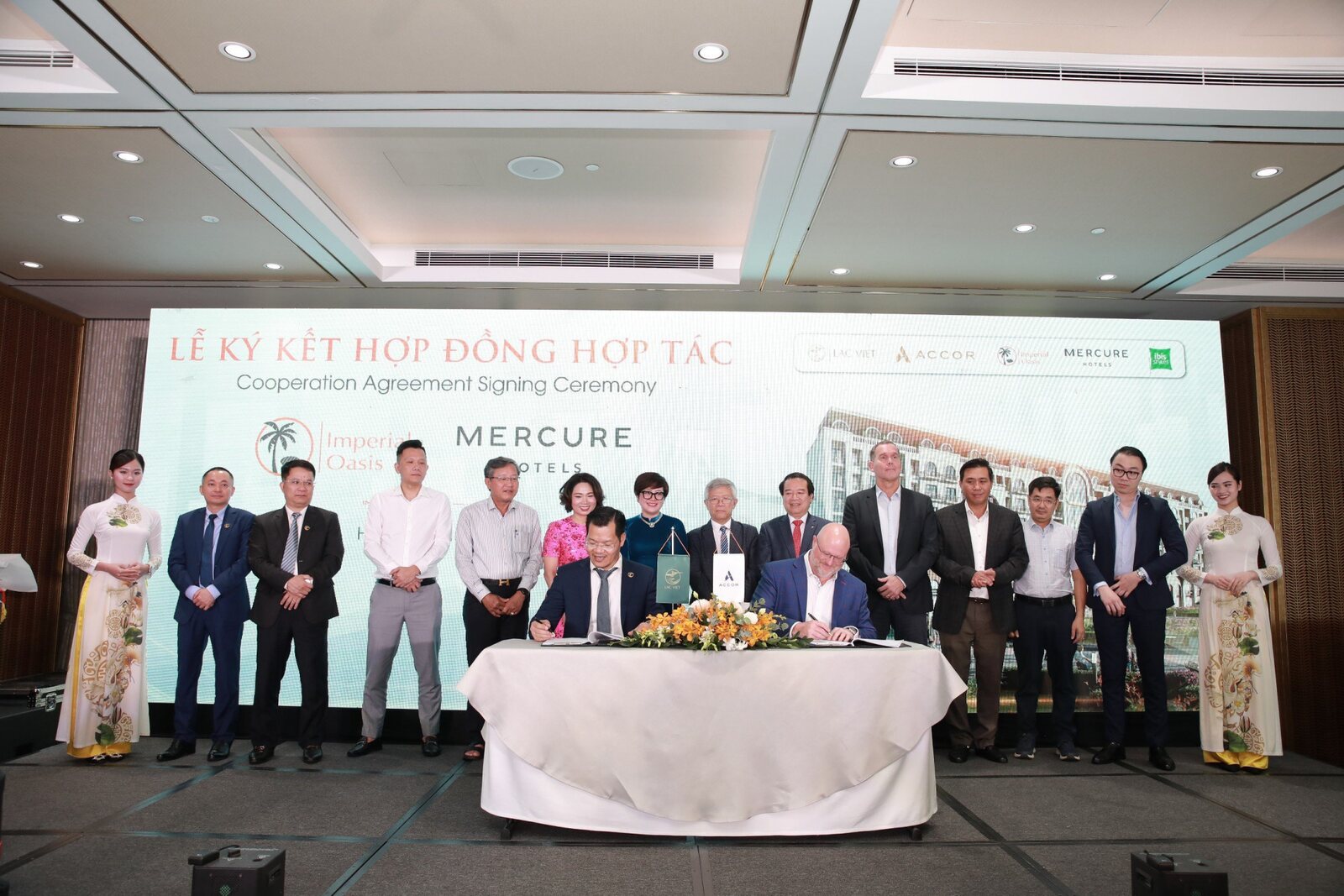
Many resort real estate projects are being elevated in quality thanks to cooperation with foreign partners. (Photo: VV)
Even so, factors such as staff shortages, rising energy costs, geopolitical conflicts, expensive air travel and economic uncertainty continue to affect the resort market in this region.
In Vietnam, the recovery of hotel business is uneven. Occupancy and average room rates of hotels in Ho Chi Minh City are gradually returning to pre-pandemic levels. Meanwhile, resort markets such as Nha Trang – Cam Ranh, Da Nang and Phu Quoc still face many challenges in improving room occupancy.
This is consistent with data recently published by the General Statistics Office. International visitors to Vietnam in October 2023 reached 1.1 million, up 5.5% from the previous month and 2.3 times the same period last year. In the first 10 months of 2023, international arrivals reached nearly 10 million, 4.2 times the same period last year but still only 69% of the same period in 2019 – the year before the Covid-19 pandemic.
Prioritizing quantity over quality
Explaining this issue, Mr. Mauro Gasparotti, Director of Savills Hotels, commented: “The problem is not only overdevelopment in some destinations; rather, it stems from creating products that do not suit market conditions. Tourism growth, especially international demand before the pandemic, spurred resort real estate development in general and hotel development in particular. However, some investors rushed into the market without thorough research during planning, leading to supply-demand imbalances at some destinations.
In addition, we also observe a focus on quantity over quality in some projects. Failing to consider market characteristics and industry trends carries many risks when projects are developed but do not meet visitors’ experience needs, especially now that, besides domestic destinations, Vietnamese travelers can travel abroad more conveniently and easily.”
The resort industry needs to adapt to changes in tourists’ consumption behavior after the pandemic. To increase competitiveness on the international map and retain the highly promising domestic market, Vietnam needs to develop diverse products that meet the needs of many customer groups and segments.
Demographic changes, with higher experience requirements, are pushing the tourism and resort industry to deliver more special value and emotion to customers, with an emphasis on integrating local culture, community characteristics and nature into projects. This process requires coordination among local authorities, organizations and businesses in the sector for resort tourism to develop sustainably and effectively.

“Focusing on quality rather than quantity” is seen as the decisive factor for the “survival” of resort real estate. (Photo: DM)
Ms. Nguyen My Lan – General Director of AkzoNobel Vietnam decorative paints said: “The real estate and resort market is entering an important phase for recovery. This is a time when businesses and investors need to make great efforts to deliver new experiences and products that match customers’ real needs.”
“Focusing on quality rather than quantity” is seen as the decisive factor for the “survival” of resort real estate. This view has been recognized early not only by international experts but also agreed upon by many domestic investors.
For resort real estate, quality lies not only in facilities but also in operating capability.
Mr. Tong Duc Hieu, Chairman of the Board of Lac Viet Group, shared: “Besides location, amenities and the investor’s reputation, we see service management and operation capability as an important criterion that helps a high-end real estate project attract visitors to stay longer, while also increasing the value of the product.”
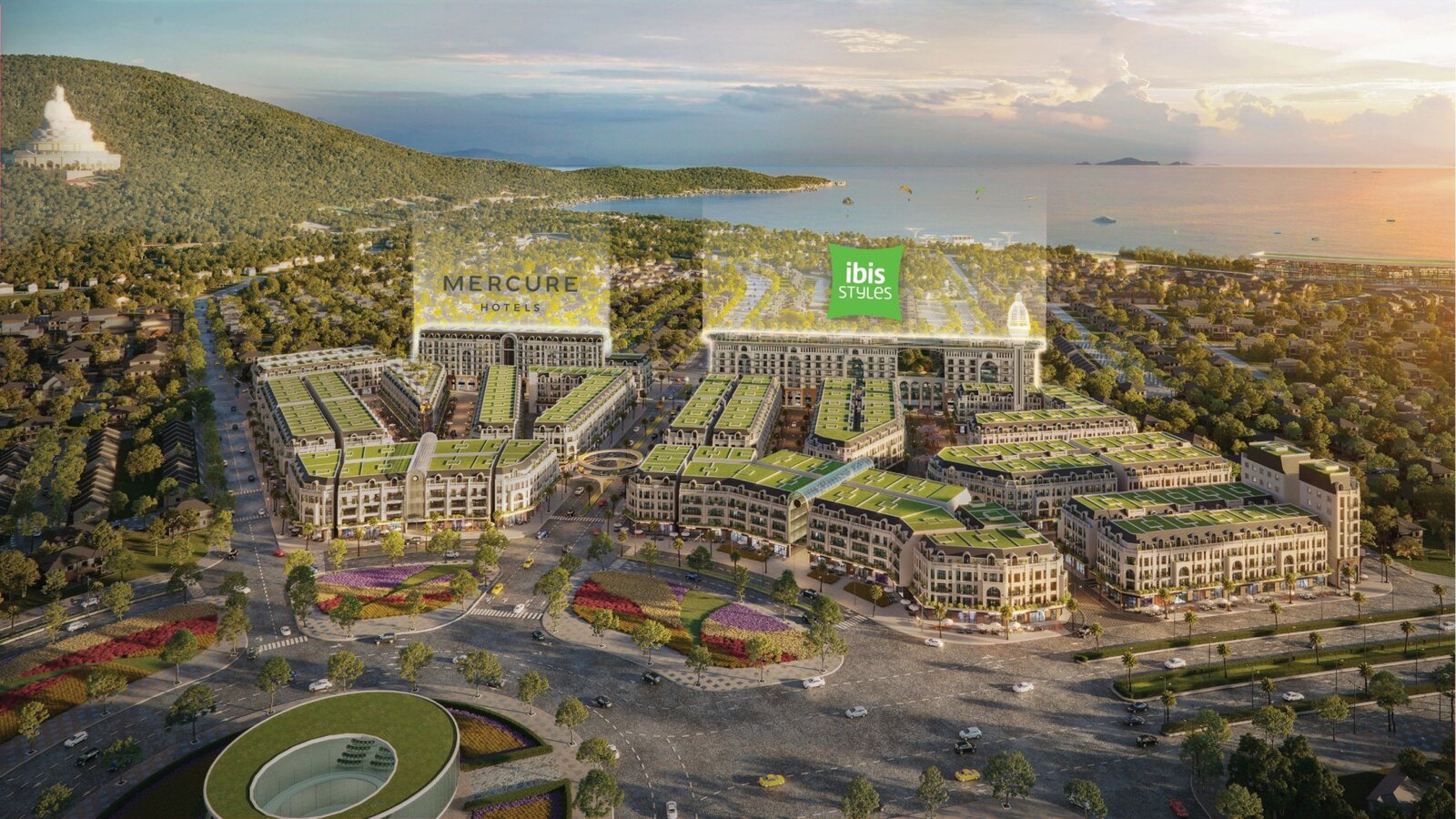
With this view, Lac Viet Group has partnered with Accor, under which Accor will manage and operate 2 hotel blocks with 439 hotel rooms at the Imperial Oasis Quy Nhon project (Phu Cat district, Binh Dinh province) under two brands, ibis Styles and Mercure.
ACCORDING TO CONG LUAN NEWSPAPER