Arque Degi Superyacht Marine City
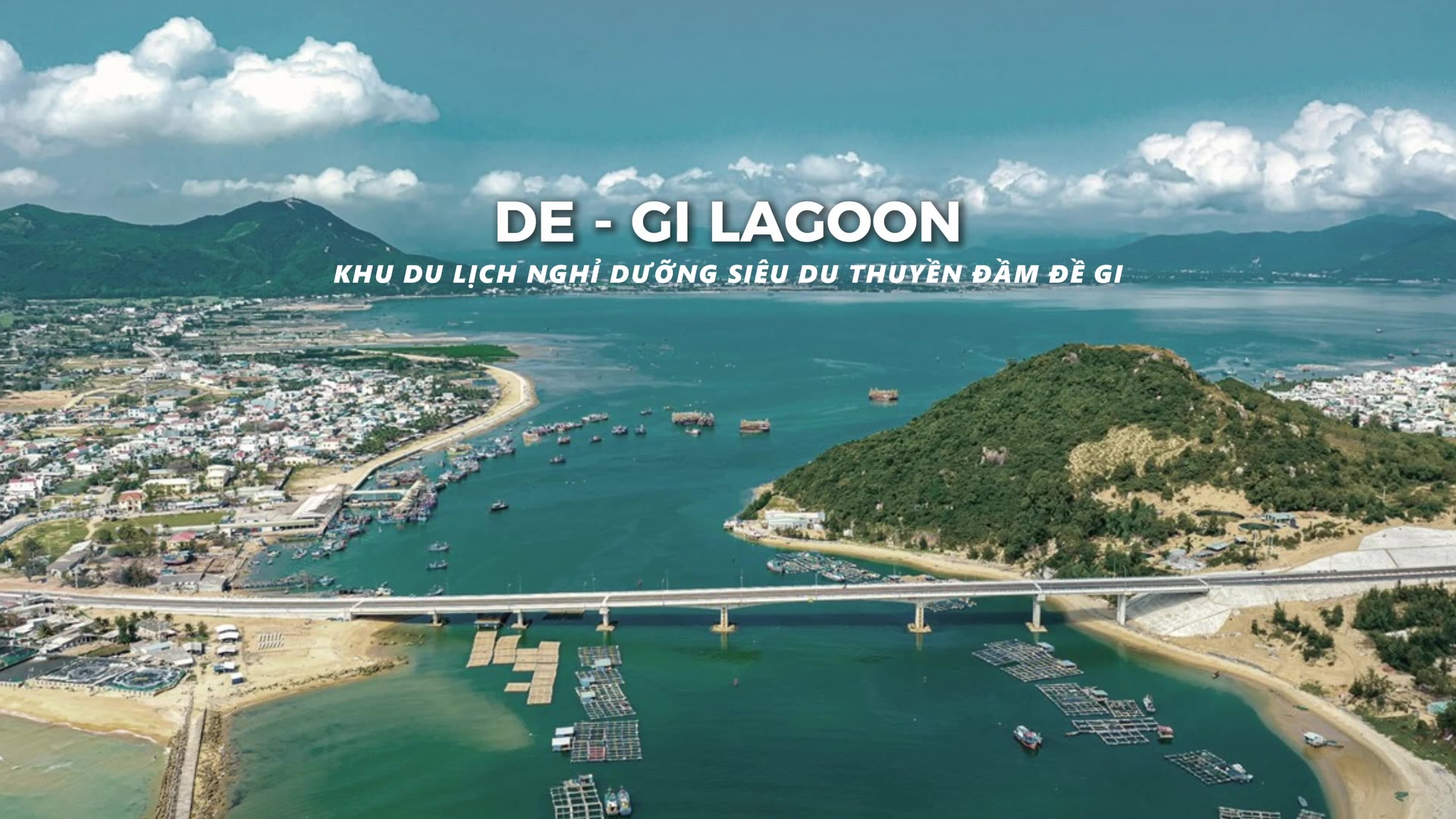
The serenity of the Maldives offers a glimpse of De Gi Lagoon, yet Arque Degi is envisioned as an ultra-luxury marine city with a more vibrant pace of life, where the superyacht is at once a means of travel, a home and a way of life.
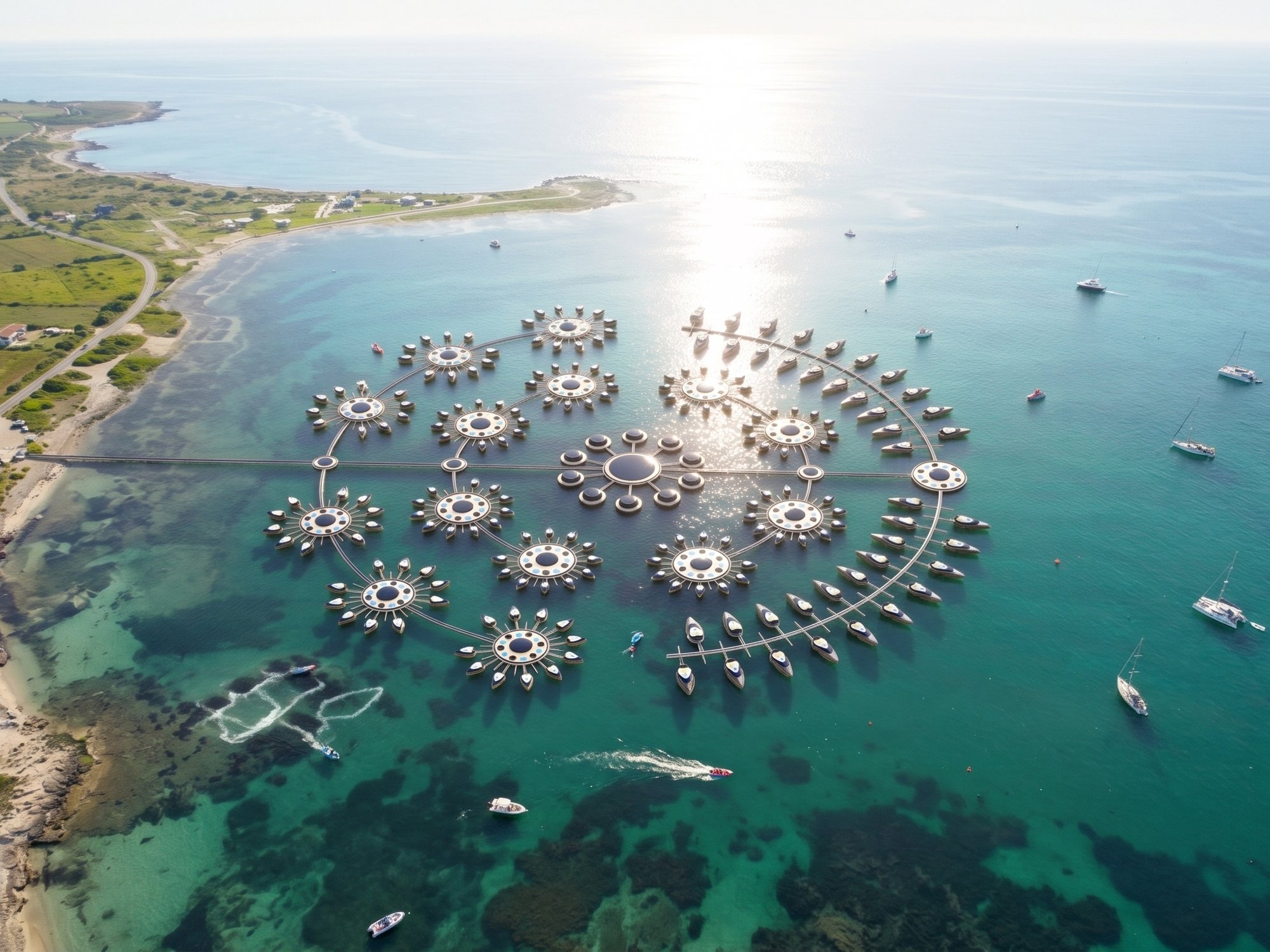
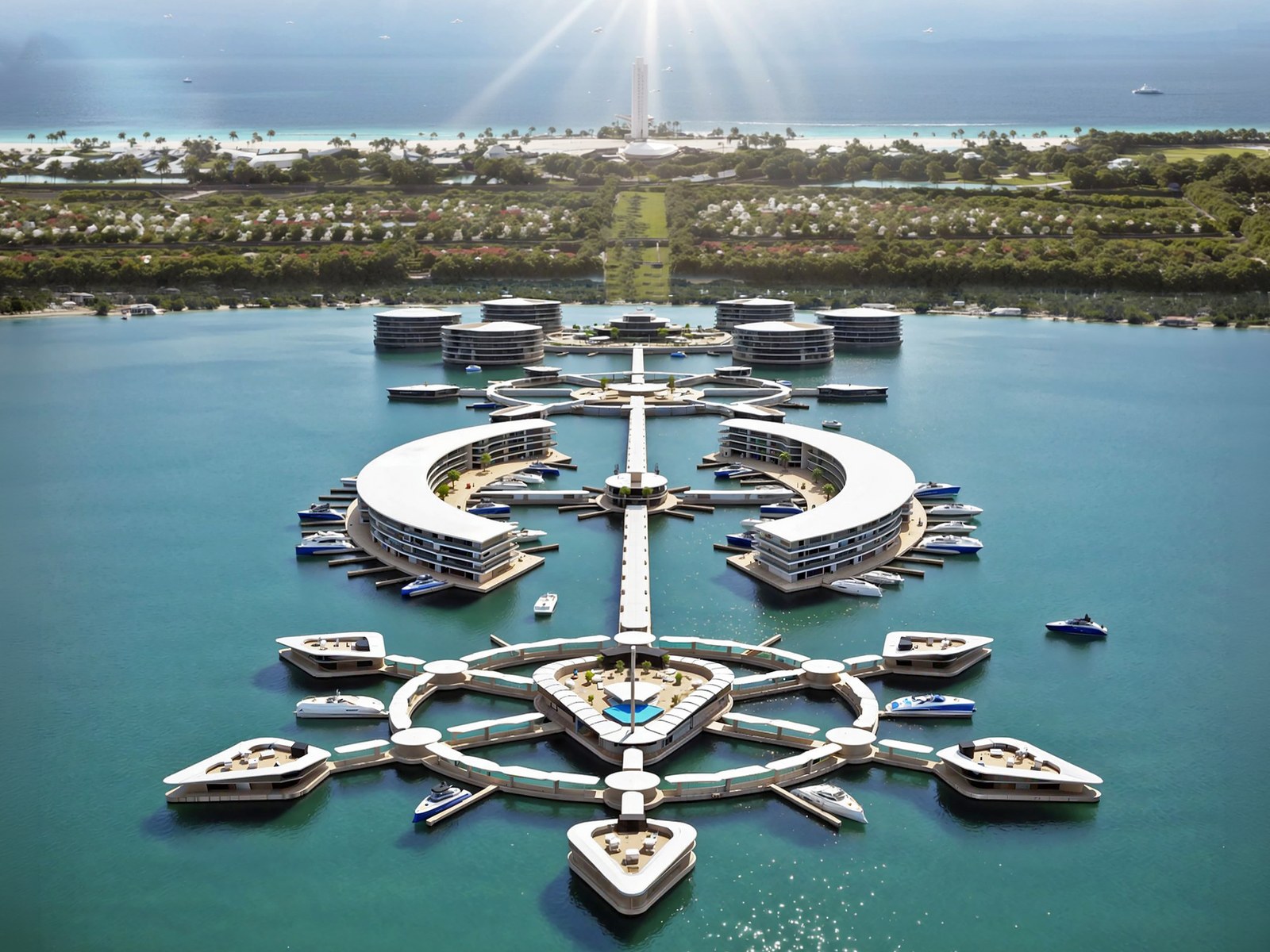
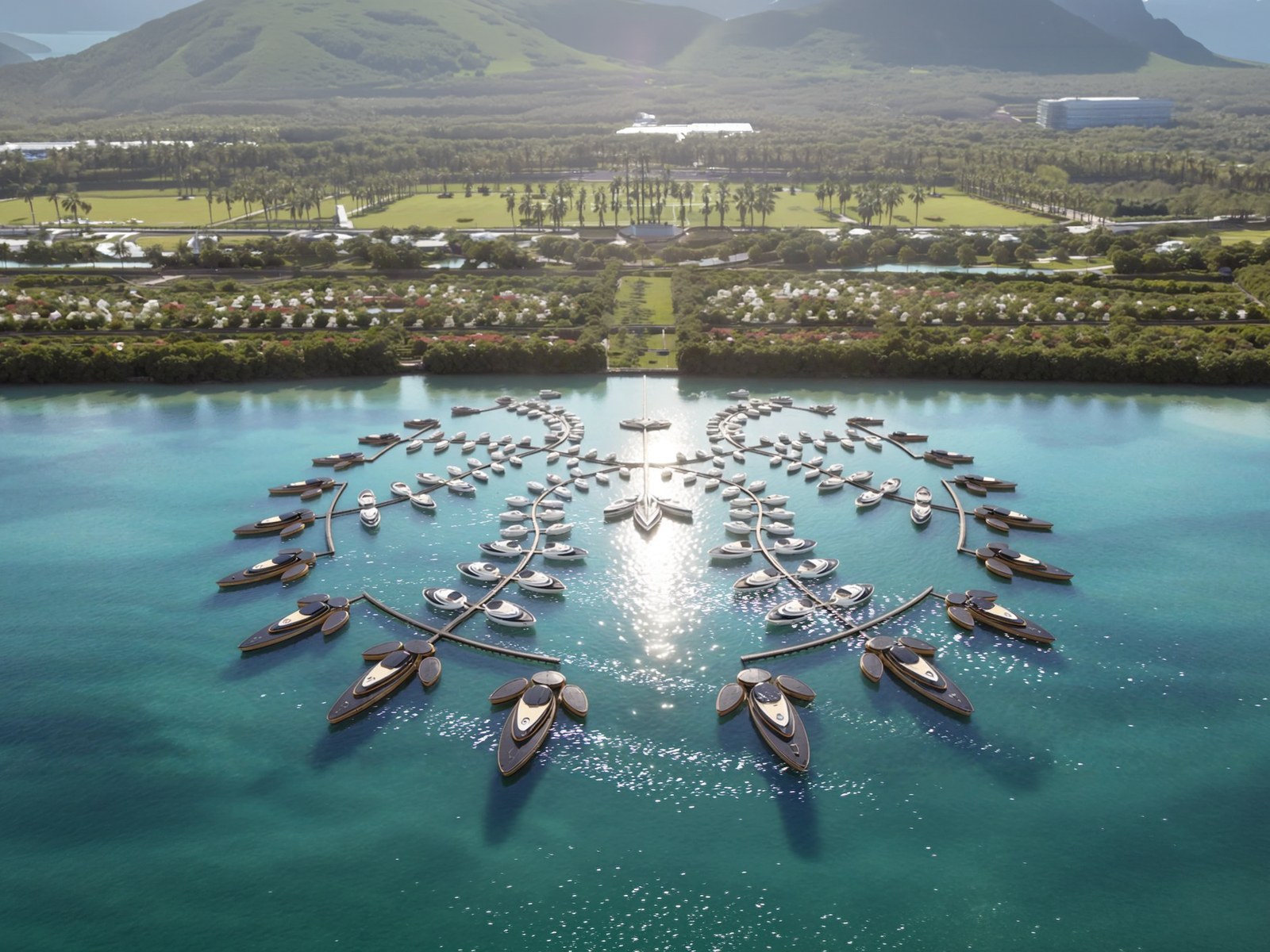
Spanning 5,200 hectares, Arque Degi is the world’s first development built entirely around the superyacht – a one-of-a-kind model that marks a turning point in luxury living. It is the planet’s first complete zero-emission yachting community: an international destination built around superyachts, exceptional villas, ultra-luxury services, a distinctive living culture and an ecosystem for the global elite. Arque Degi is conceived as a natural extension of the yachting lifestyle, rather than simply a real estate development.
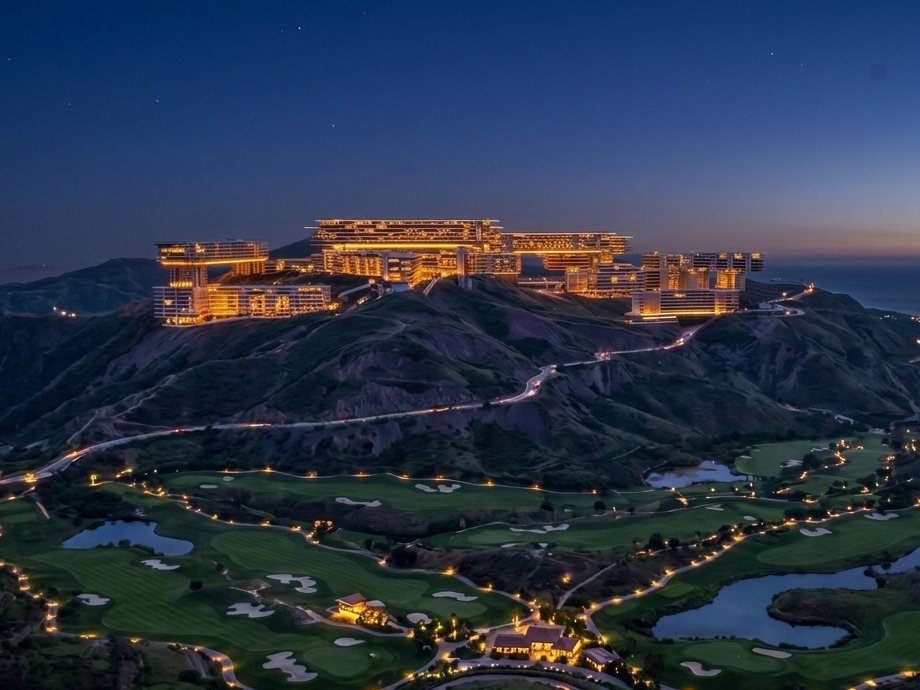
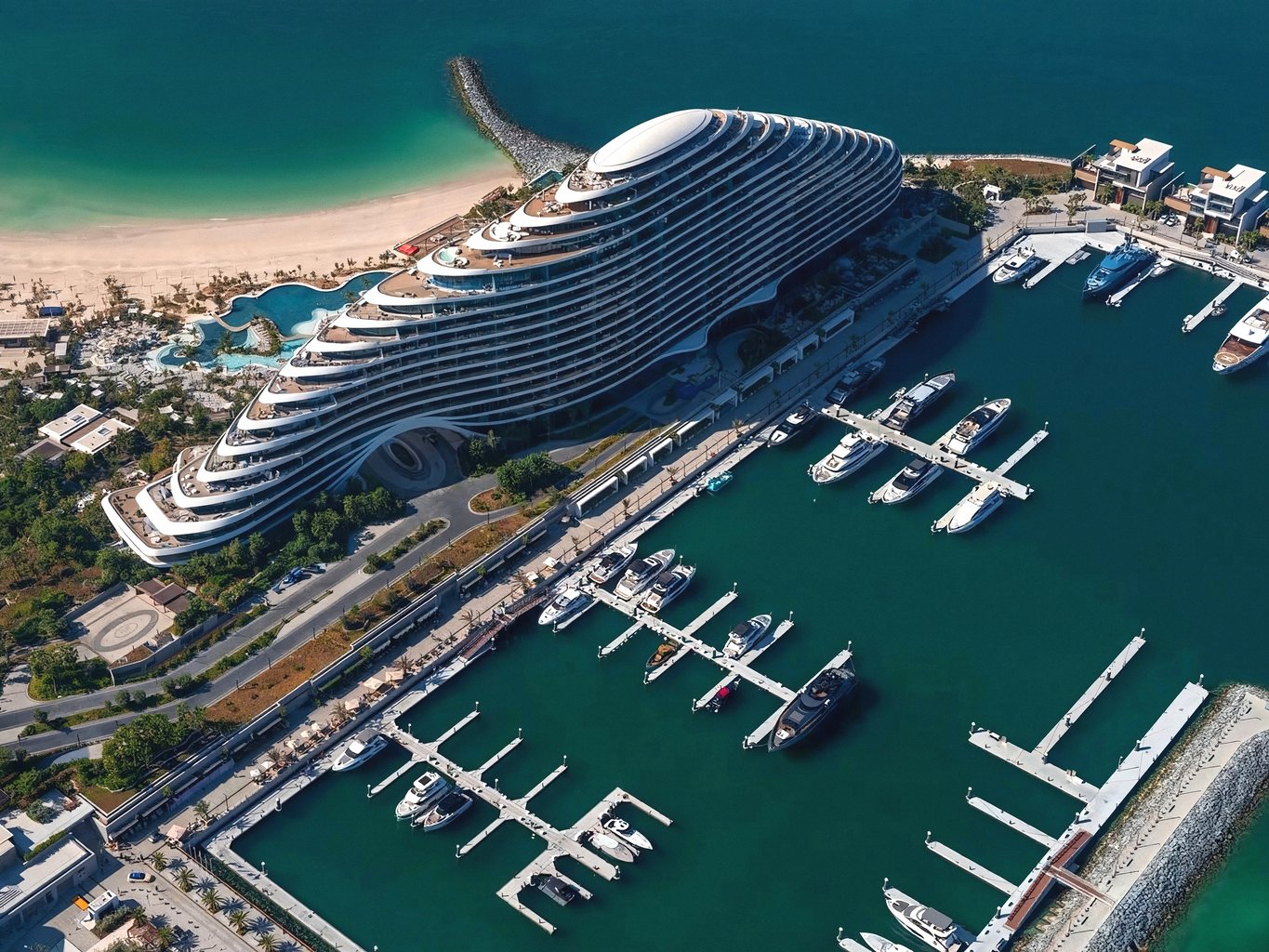
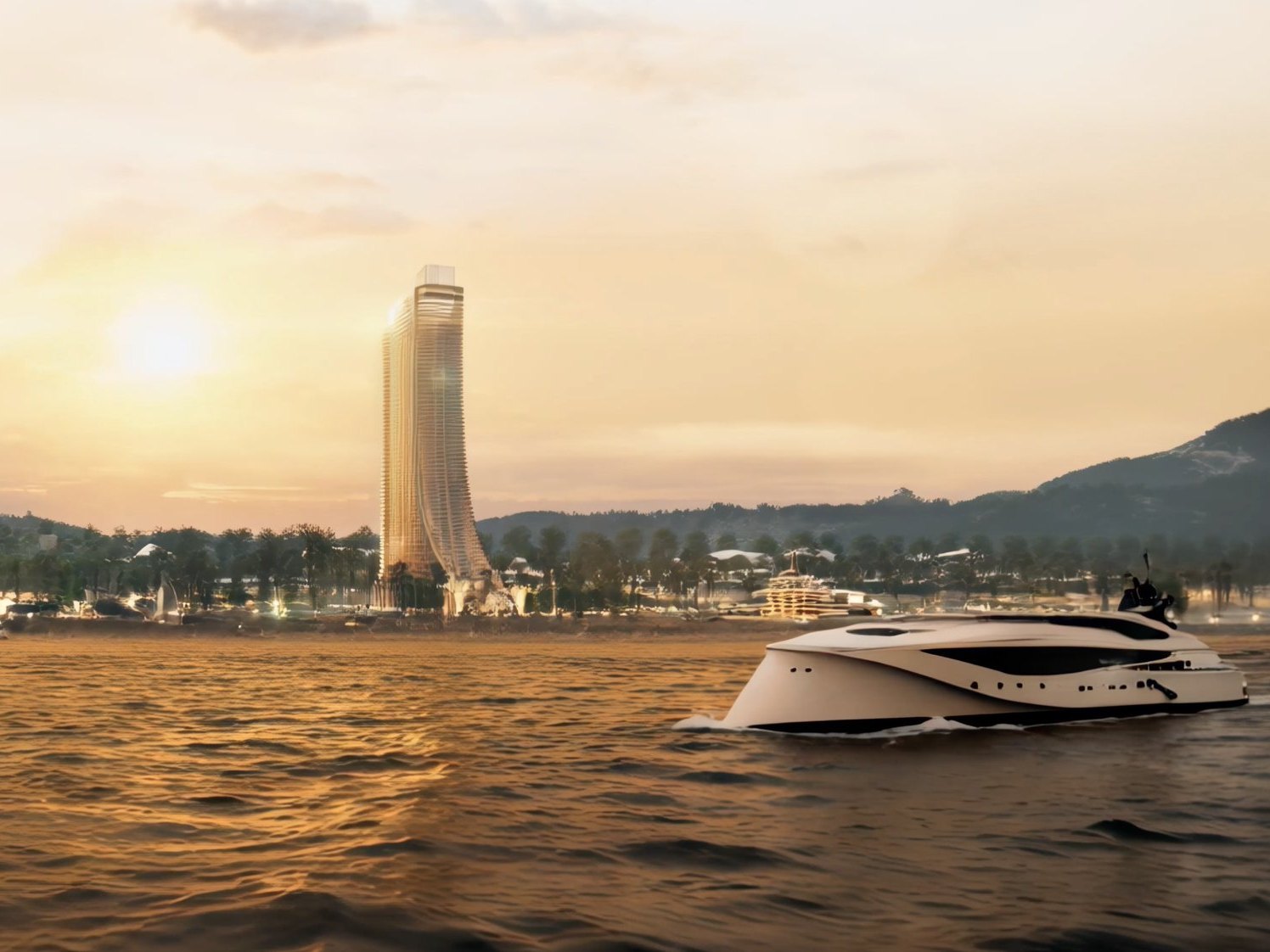
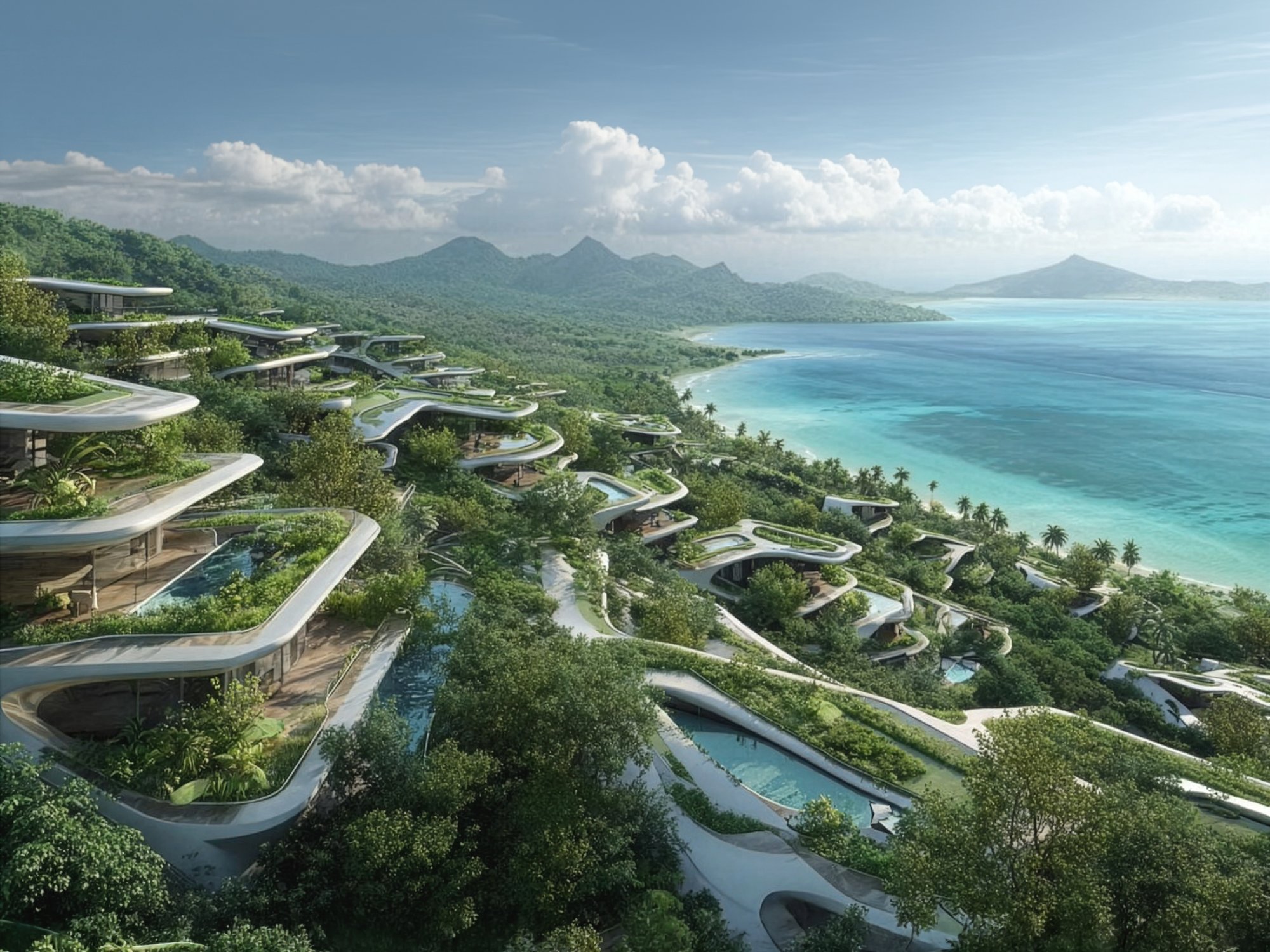
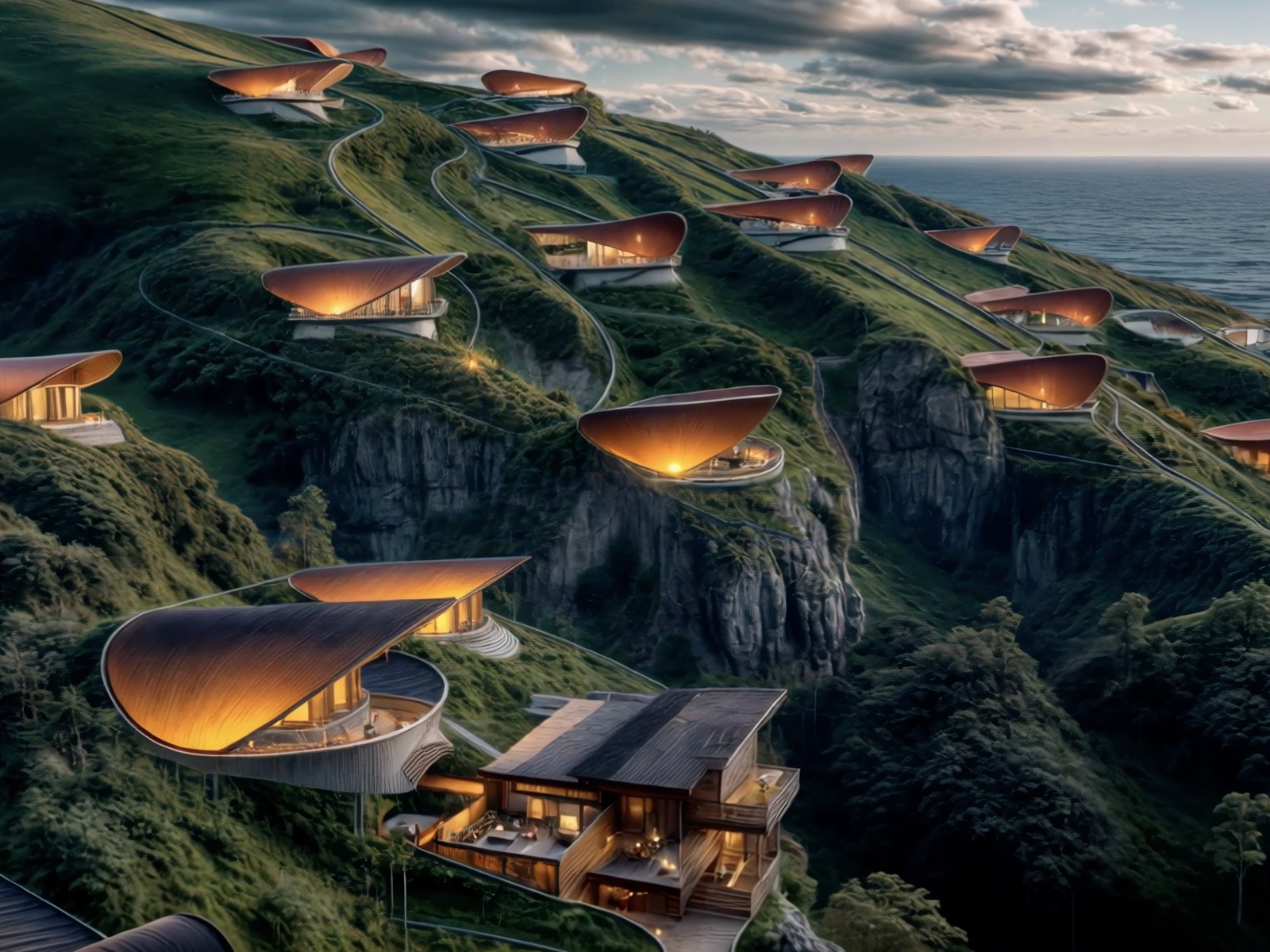
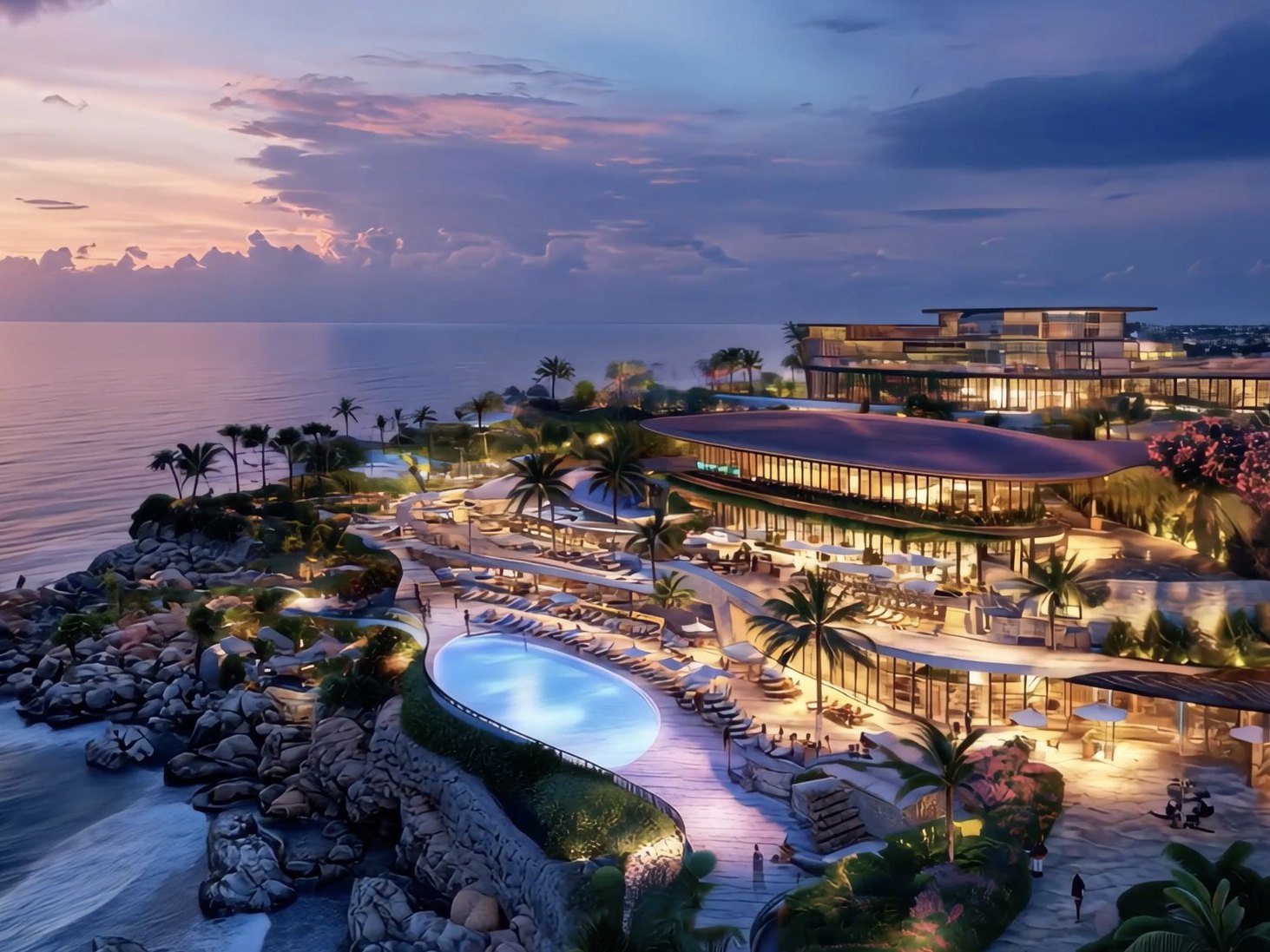
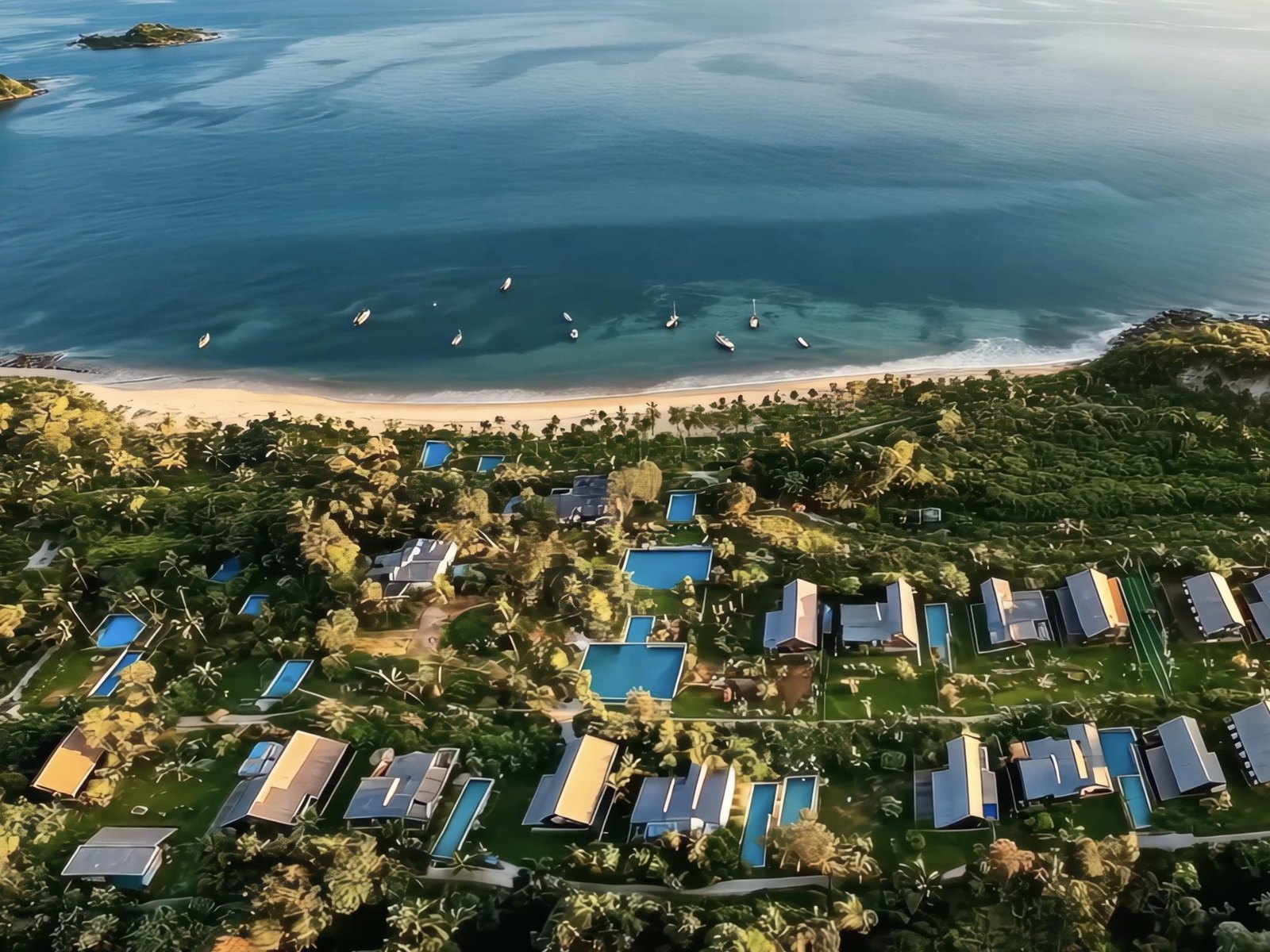
At the heart of Arque Degi is a community floating entirely on the water, designed by Palmer Johnson, the world-renowned superyacht builder with more than 100 years of history and a symbol of technology and timeless beauty. The surrounding area is planned as 25 zones that create a community and home for the ultra-wealthy from Vietnam and around the world, including an ocean-view golf course, the Panorama hotel, a superyacht marina, floating villas, floating hotels and clubs, ultra-luxury resorts by the lagoon, hillside villas, an ultra-luxury island resort, a retirement village for high achievers, a 5-star eco-resort, a sports and leisure complex and more. It is being developed into a “tropical Gstaad”, where the ultra-wealthy from Vietnam and abroad come to enjoy an exceptional quality of life and affirm their status. Arque Degi is truly unique in the world – an unprecedented concept shaped by a number of revolutionary factors:
- A strategic direction aligned with Vietnam’s national vision and global trends. We position Arque Degi as a strategic asset for Vietnam, directly supporting key national objectives.
- Sustainable, high-value tourism: Attracting the world’s ultra-wealthy travellers, generating significant foreign-currency revenue and building a new image of Vietnam as a leading destination for responsible luxury and sustainable development.
- Marine economy & high technology: The project is a major milestone for the maritime economy, combining smart infrastructure, AI-driven management and sustainable marine engineering, with the aim of establishing a high-tech hub for the global yachting industry.
- Economic driver: The project creates thousands of skilled jobs, develops domestic supply chains in luxury goods and premium services, and serves as a stable, sustainable source of FDI and government revenue.

Project Overview

Featured zones






Location
Set along the national coastal tourism route, 40 km from Phu Cat International Airport, where lagoon, hills and sea create a setting found nowhere else in the world, made for an ultra-luxury destination.
View on Google Maps →